This website use cookies to ensure you get the best experience on our website
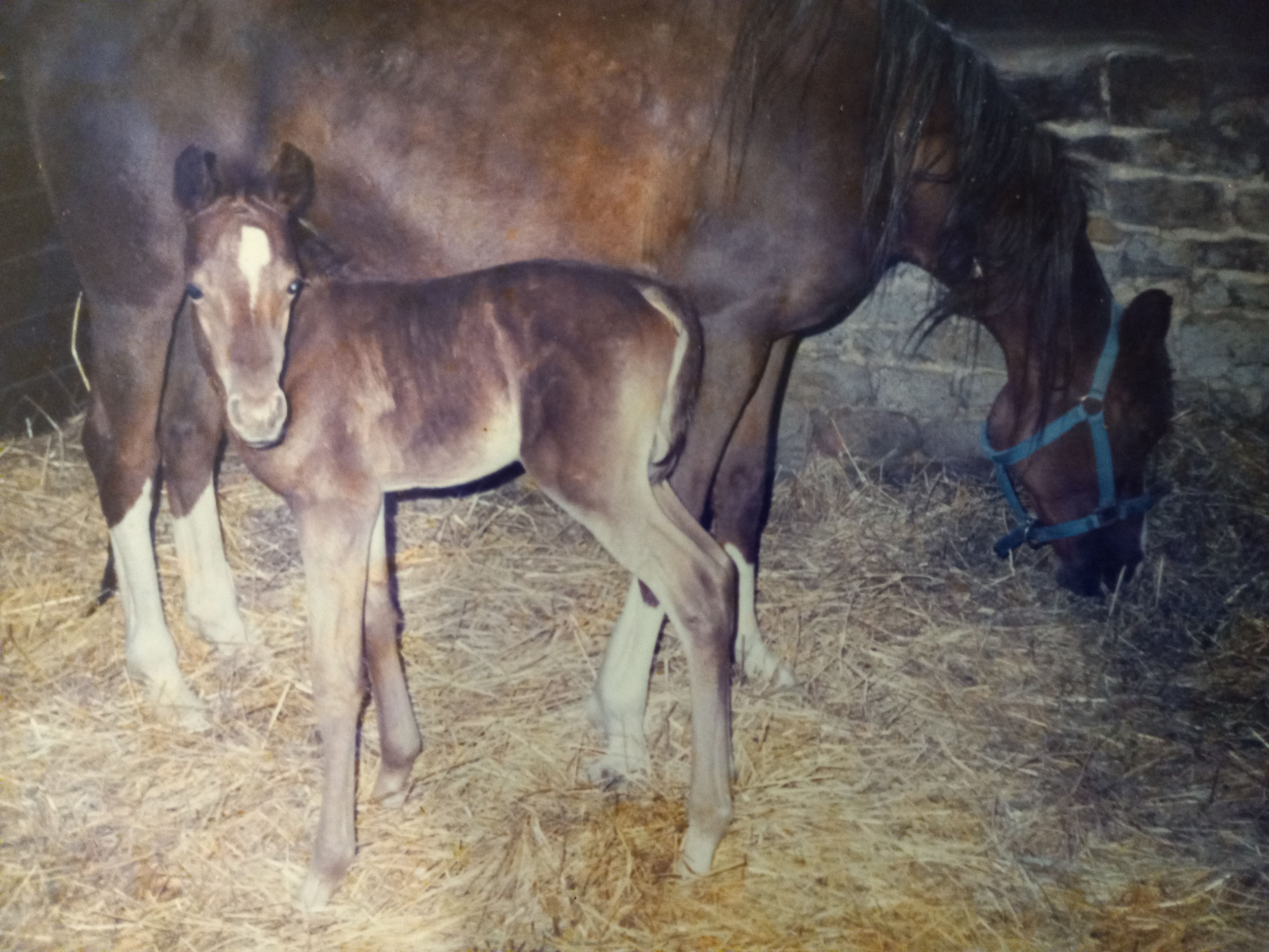
"Your First Foal – A Memory That Lasts a Lifetime"
Every horse breeder remembers their first foal. It's a rite of passage — a memory forever etched into the heart. For me, that unforgettable chapter began when I was 17 years old, still riding the euphoria of finally owning my own horse. My mare had already had two foals before I bought her, but this was my first — my very own — and it was filled with all the excitement, anxiety, and awe that comes with expecting new life.
The year was 1989. I had found my mare just three years earlier, in 1986. We first attempted to breed her in 1987, but that effort was derailed by a condition called a persistent follicle. It wasn't until the following spring, in 1988, that we achieved a successful pregnancy.
At the time, I was 16 years old and deeply into science — reading everything I could about equine pregnancy. I was even trying to estimate how many cells the embryo might have in its earliest stages (yes, I was that nerdy — and proud of it!).
The 11-month wait dragged on endlessly. That final month? A strange mix of pure excitement and torturous anticipation. When would she foal? That was the burning question on my mind. We had multiple vet visits, and each time the vet would say, “I think probably another week.”
To those of you new breeders — those waiting on your first foal, due this coming spring or perhaps even sooner — I’ve been where you are. I know the anxiety, the excitement, the overwhelming need to get it right. You love your mare. You want everything to go perfectly. You want your foal to be born healthy and strong. And you want to be prepared, to know what to do, to be there when your mare needs you most.
Although my mare was at a boarding stable, it was run by an experienced horsewoman from Holland who lived on site, so I knew she was in capable hands. Still, I wanted to be there. The night before foaling, I saw the classic signs: she presented with perfect white-grey wax. I just knew it was time.
At around 6 a.m. the next morning, the call came — and I wasn’t going to school that day, that’s for sure!
By the time we arrived, the foal — a colt — was still wet. A chestnut like his mother, though lacking her flashy chrome. He had a white star on his forehead, shaped like a tiny tornado — so fitting, as I had already planned to name him Windy. The only other marking was a small half-circle of white just above the coronet on one hind leg.
Meeting him for the first time is a moment forever burned into my memory. I knew mares could be fiercely protective, even if normally calm, so I approached with quiet caution. I watched for my mare’s response — and then, something beautiful happened.
She stepped behind her foal, lowered her head, and gently nudged him, as if to say, Go ahead, meet her. It’s okay. Her trust in me was unmistakable. Her pride radiated. He didn’t get up right away — his legs were still foreign to him — but that moment… it was everything.
In the photo on the first page of this article, you’ll see her standing just like that — head lowered, eyes soft and relaxed. That was how she stood whenever I handled her babies. I believe it was her way of telling them: She’s family. You’re safe.
Yes, it may feel like forever waiting for foaling day. But when that moment arrives, your world will change. A little life will appear and take up a huge space in your heart. Don’t let the worry or waiting steal the joy. Remember every moment. Cherish it.
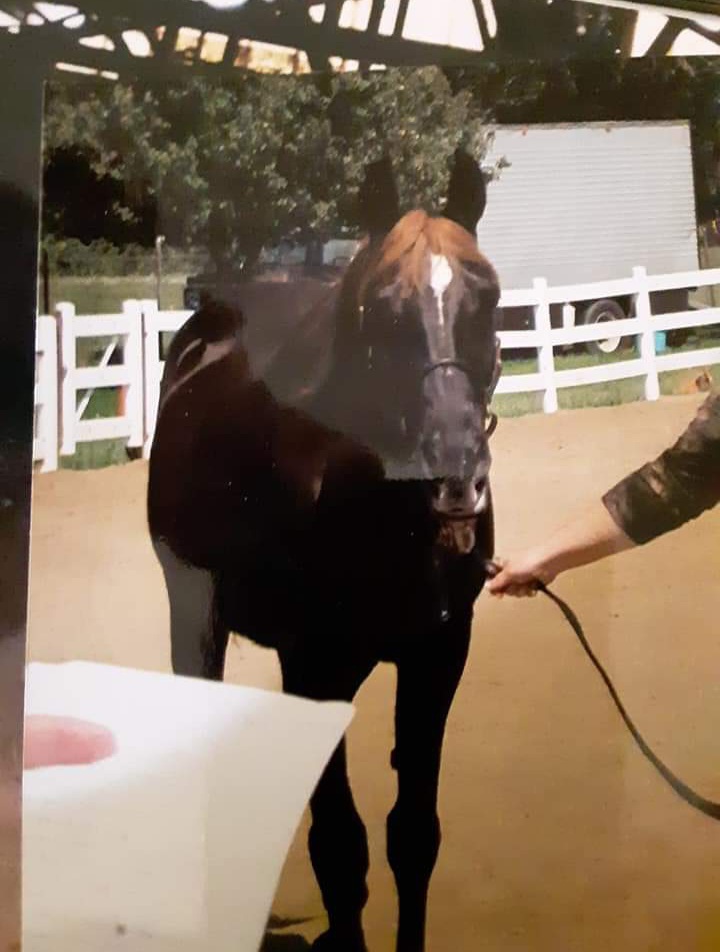
"Windy" as an adult

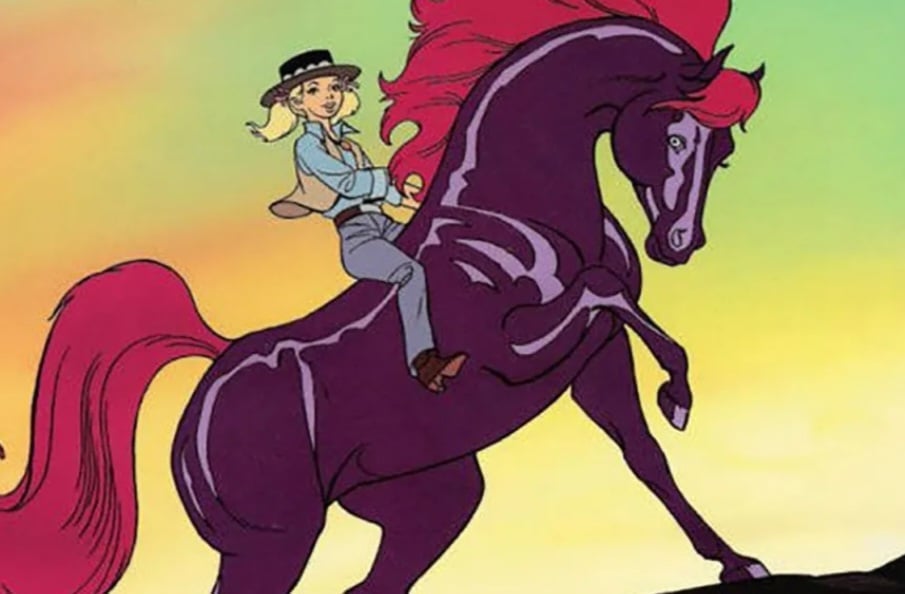
My first foal. He matured from a bright red chestnut as a foal to a deep dark chocolate (almost black when not sun bleached) liver chestnut with a red mane and a golden tail. We had a deep bond for the 26 years he blessed my life with. He looked just like my favorite cartoon horse as a child. The animated children's show "Wildfire"