This website use cookies to ensure you get the best experience on our website
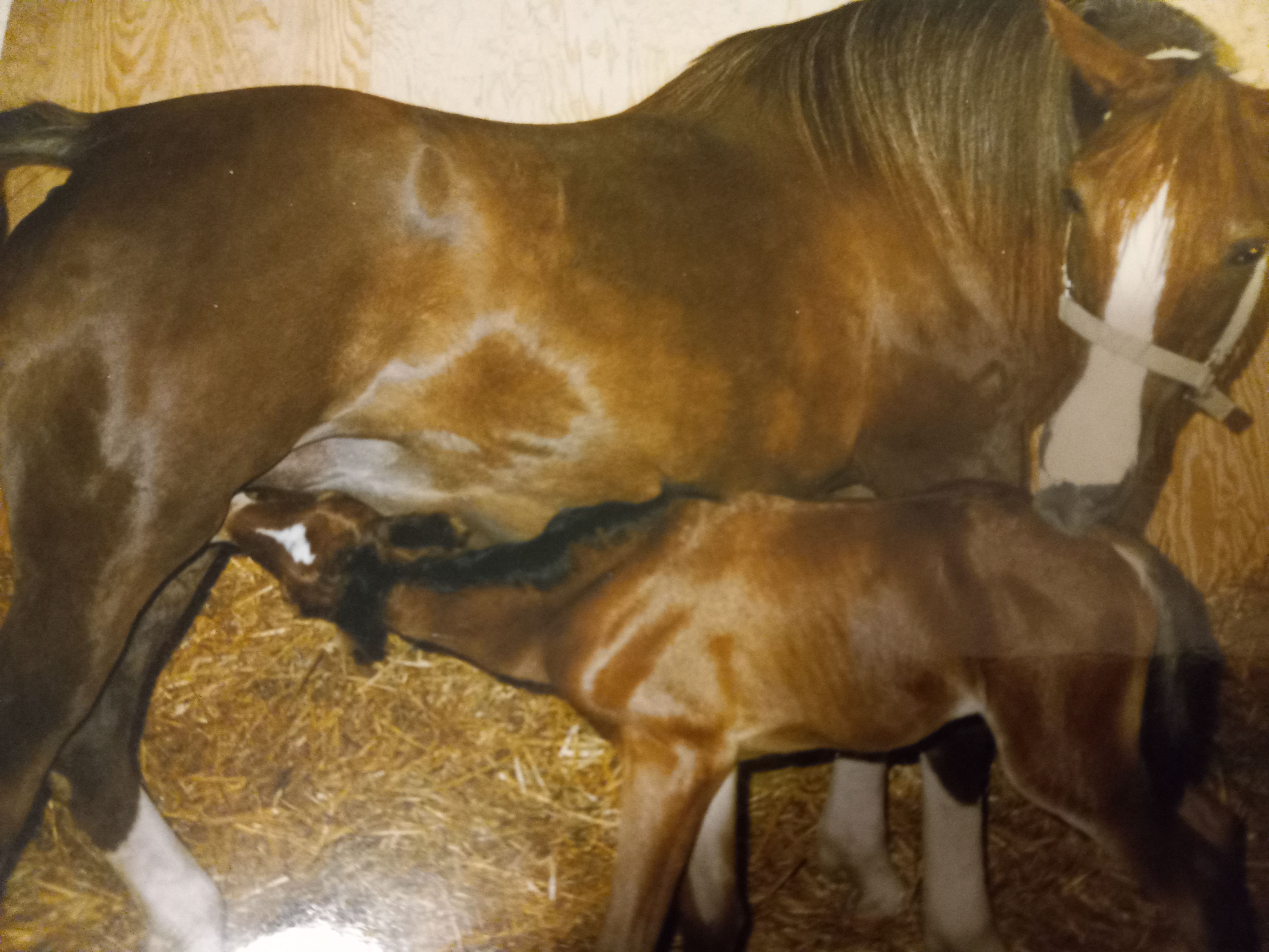
The Mare: A Series in Perspective- Part 1
"Mares as Heart Horses- Fierce, Loyal, and Misunderstood"
Myth vs. Reality: The “Difficult” Mare
In barns across the world, a familiar refrain echoes: “Mares are moody, hormonal, difficult.” Add a chestnut coat, and the warnings intensify—“Chestnut mare? Beware.” But does this reputation hold any truth?
The Stereotype of the Fiery Redhead
Equine folklore has long portrayed chestnut mares as fiery and temperamental, often with a dose of humor—or outright fear. Horse forums are full of memes describing them as short-tempered kickers, biters, and buckers.
But among the jokes are just as many heartfelt stories:
“Mine’s a sweet, kind-hearted, people-loving mare.”
– Horse & Hound Forum
What Science Says
Let’s separate myth from measurable truth.
A study of 477 horses found no significant behavioral differences—including kicking, biting, or bucking—between chestnuts and bays. The only notable trait? Boldness. Chestnut horses were more likely to approach unfamiliar objects or animals. What some call “difficult,” others recognize as courage.
Researchers emphasize the danger of stereotyping: when a mare misbehaves, we might blame her color or gender instead of investigating deeper issues—like poor tack fit, health concerns, or training inconsistencies.
Real Owners Speak: Anecdotes That Matter
Firsthand stories echo the science:
- “My chestnut Arabian mare is an absolute love (and a diva)... sassy, but she has my heart until her last day.” – Reddit
- “The mellowest horses I’ve worked with as a farrier were often chestnuts.” – Reddit
- “Horses don’t choose their color. Judging them for it makes no sense.” – Horse & Hound Forum
What Makes Mares So Special
Mare = Sovereignty & Soul
Across history and culture, mares have symbolized power, grace, and mystery. Today, they often become “heart horses”—the once-in-a-lifetime partner who connects with us on a soul-deep level.
Boss Mare Energy
In the wild, it’s not the stallion but the lead mare who guides the herd—choosing when to graze, rest, or move. She leads with clarity, wisdom, and strength.
Emotion, Intelligence, Loyalty
Mares are known to be more emotionally expressive and perceptive than their gelding counterparts. They may test you at first—but once you earn their trust, they offer fierce loyalty and deep companionship.
Their so-called “moodiness” often reflects high intelligence and self-awareness. They won’t suffer fools or poor handling—but they will give everything to those who respect them.
Fierce Competitors, Fierce Protectors
What some see as dominance is, in many mares, drive and devotion. Many top competition horses are mares, praised for their consistency and fiery determination. As mothers, they are fiercely nurturing—instinctively protective, patient, and wise.
Heart Horses: When a Mare Chooses You
The term “heart horse” carries a special weight in equestrian communities. It’s not about pedigree or performance—it’s about soul-level connection.
As writer Anna Blake says:
“Your heart horse is an ordinary, imperfect, special-to-no-one-else creature” who changes you forever.
This bond is often described as a soulmate experience. It transcends reason—it’s felt in the quiet, subtle moments, the shared triumphs and heartbreaks.
Myth, Lore, and Legacy: Mares in Human Culture
Mares have long held a sacred place in myth and spiritual tradition.
- Epona (Celtic/Gallo-Roman): Goddess of fertility, often shown surrounded by foals. She was revered as a protector of horses and riders, her worship extending into the Roman Empire.
- Rhiannon (Welsh): A sovereign figure riding a mystical horse, symbolizing resilience and otherworldly strength.
- Sleipnir (Norse): Odin’s eight-legged steed, born from a mare, symbolizing transformation and spiritual travel.
- Kelpie/Ceffyl Dŵr: Shape-shifting water horses that lure and challenge—symbolizing the duality of beauty and danger.
Spiritual Symbols & Ritual Roles
- Hippomancy: Divining the future by interpreting a horse’s movements—used by early Norse and Slavic people.
- Mongolian Traditions: Mare’s milk used in purification rituals, stallions' manes treated as sacred, horses honored during Naadam festivals.
- Native American Cultures: Horses are spirit guides—symbols of freedom, wisdom, and deep spiritual ties.
These traditions echo a recurring theme: mares are more than just horses—they are conduits of strength, spirit, and
connection.
A New Perspective: Redefining the Mare
So next time you hear “difficult mare,” consider this instead:
- Bold isn’t bad—it’s brave.
- Opinionated isn’t obstinate—it’s intelligent.
- A chestnut mare isn’t a warning—it might be your fiercest ally.
Mares are not simple, and that’s exactly the point. They are layered, intuitive, and deeply loyal. Their so-called spunk isn’t a flaw—it’s a superpower. They are more than companions. They are leaders, mothers, protectors, and partners in every sense of the word.
Mares don’t just carry us. They carry our stories, challenge us to grow, and—if we’re lucky—choose us as their own.
Hug your mares today❣️ Part 2 in next issue